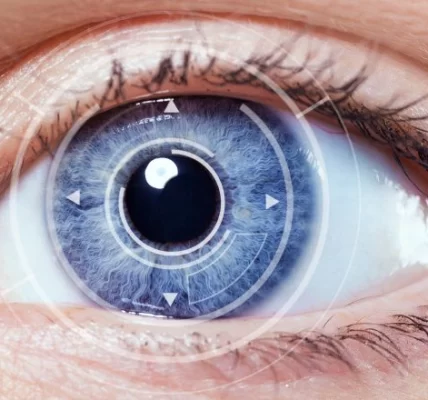


Eyelid laser treatments are increasingly discussed within medical aesthetics as a non-surgical option for addressing eyelid skin concerns. However, before proceeding, patients should ask targeted, practical questions to understand suitability, limitations, and clinical considerations. This approach supports informed decision-making rather than assumption-driven treatment choices.
1. What Specific Issue Is the Eyelid Laser Intended to Address?
Patients should first clarify what the eyelid laser is designed to treat in their individual case. Laser-based procedures around the eyelids are commonly used for skin texture refinement, mild tightening, pigmentation issues, or superficial wrinkles. They are not designed to remove excess fat or significantly lift drooping eyelids. Asking this question helps avoid mismatched expectations between the patient and the medical aesthetics provider.
2. Is My Eyelid Condition Suitable for Laser Treatment?
Not all eyelid concerns respond predictably to laser-based treatments. Skin laxity severity, eyelid anatomy, age-related changes, and underlying medical conditions all influence suitability. Patients should ask how candidacy is assessed and whether alternative treatments, including non-laser or surgical options, may be more appropriate. A responsible medical aesthetics approach includes discussing when a laser is not the preferred solution.
3. What Type of Laser Technology Is Being Used?
Different eyelid laser systems operate at varying wavelengths and depths. Patients should ask what type of laser will be used and how it interacts with eyelid skin, which is thinner and more sensitive than other facial areas. Knowing whether the laser is ablative or non-ablative also helps patients anticipate recovery time, potential risks, and post-treatment care requirements.
4. What Are the Realistic Outcomes and Limitations?
Patients should request a clear explanation of expected results, including what changes are likely, subtle, or unlikely. Eyelid laser procedures, including Fotona Laser Vectorlift, typically deliver gradual improvements rather than dramatic structural changes. Asking about limitations ensures patients do not equate laser treatments with surgical outcomes. Medical aesthetics treatments should be framed around achievable improvements, not transformation narratives.
5. What Are the Risks and Side Effects Specific to the Eyelid Area?
The eyelid region requires additional safety considerations due to its proximity to the eyes. Patients should ask about potential side effects such as swelling, redness, pigment changes, or temporary sensitivity. They should also ask how eye protection is managed during the procedure and what protocols are in place to minimise risk. This discussion is essential when lasers are used near ocular structures.
6. What Is the Expected Downtime and Recovery Process?
Recovery varies depending on the type and intensity of the eyelid laser used. Patients should ask how long visible effects, such as redness or swelling, may last and whether daily activities need to be adjusted. Clarifying downtime is particularly necessary for patients with work or social commitments. Medical aesthetics treatments should be planned with recovery logistics in mind.
7. How Many Sessions Are Typically Required?
One session may not be sufficient to achieve noticeable results. Patients should ask whether multiple sessions are expected, how they are spaced, and how progress is evaluated over time. This inquiry helps patients understand the full treatment timeline rather than viewing the eyelid laser as a single-event procedure.
8. Who Performs the Procedure and What Is Their Role?
Patients should confirm whether the procedure is performed by a doctor or under medical supervision, and how the doctor’s experience with eyelid laser treatments is established. Practitioner involvement and clinical oversight are relevant factors in medical aesthetics, particularly for procedures involving sensitive facial areas.
Conclusion
Asking structured, clinically relevant questions before undergoing an eyelid laser procedure helps patients align expectations with medical realities. Remember, within medical aesthetics, informed discussions about suitability, risks, and limitations are central to responsible treatment planning. A well-considered consultation sets the foundation for outcomes that are appropriate rather than assumed.
Contact Halley Medical Aesthetics to understand suitability, risks, and expected outcomes based on your individual eyelid anatomy and skin condition.