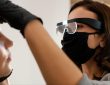


Scientists work in sealed rooms to study air cleaners. These experts want to see how tools handle smoke. They fill a large metal box with thick air. The experts then watch how fast the haze fades. Now, they use sensors to track every small change. These tools count the tiny bits in the room. You can see how the science is very exact. Scientists often burn pine needles for a real test. But they must keep the room very steady. Sometimes, the air must stay at one temperature.
Measuring the Clean Air Rate
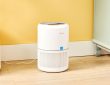
The experts use a score called the clean air rate, which helps compare the best air purifiers for wildfire smoke in terms of how much fresh air comes out. But a high score means the tool is fast. Airdog Science uses high voltage to clean the air. Scientists measure the flow in cubic feet per minute. They check how many particles stay in the air. Now, the tests focus on very small smoke bits. The smallest bits are often the most dangerous ones. So, the testers use lasers to find every speck. These lasers bounce off the dust and smoke.
Tracking the Smallest Smoke Particles
Wildfire smoke has tiny bits that enter the blood. Scientists must find tools that catch these small dots. Traditional filters often miss the smallest items in air. But, the team at Airdog Science uses special plates. These plates pull the smoke in like a magnet. Researchers use a machine to count the tiny items. They look for things smaller than a single germ. Now, you know why the lab stays so clean. The air must be clear before the test starts. Sometimes, the test lasts for many long hours.
Checking for Harmful Gas Byproducts
Testing is not just about catching the thick dust. Scientists also look for gases like ozone in air. Some cleaners might make the air worse while working. But, the lab monitors check for every new chemical. They use ultraviolet light to see the hidden gases. This light shows if the air stays truly safe. Now, the testers check for formaldehyde and other toxins. The goal is to have no new pollutants. So, the lab workers watch the screens very closely. You want a tool that adds nothing to air.
Ensuring Performance Stays Very High
A good air cleaner must work for a long time. Scientists test if the filters get full quickly. Most old filters lose power as they get dirty. But, the tech from Airdog Science stays strong always. Researchers run the units for days without any breaks. They want to see if the cleaning speed drops. Sometimes, they add extra smoke to stress the unit. Now, they compare the start and the finish results. The best units keep the same high cleaning rate. This ensures the home stays safe during a fire.
The Final Lab Results
The lab work provides the proof for every claim. Scientists share the data to help people choose well. These tests show which tools truly protect your lungs. Now, you can trust the numbers from the lab. The process is long but it is very vital. It keeps the indoor air fresh and quite clear. So, look for the lab marks on the box. These marks mean the unit passed every hard test.