
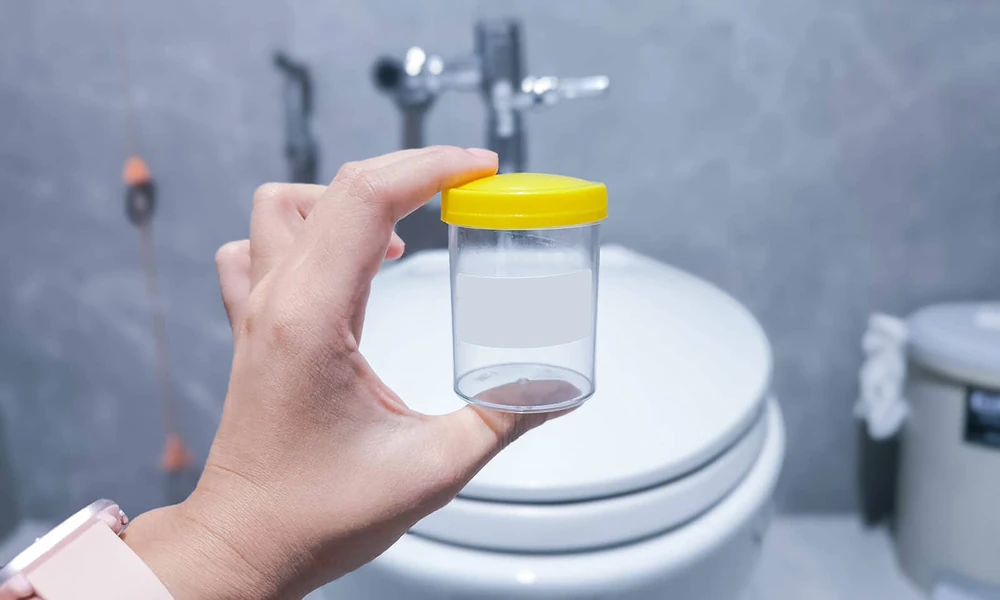

Similar bottles sit beside one another, yet their labels describe completely different purposes, preparation methods and storage references. During product comparisons, the Fake piss sometimes looks as if in online discussions or retail descriptions even though manufacturers frequently use different language across product categories. Reading beyond the product name usually paints a much clearer picture than relying on packaging alone.
Labels Tell Different Stories
Two containers may appear identical from the outside, but printed information quickly separates one product from another. Storage guidance, preparation instructions, and intended laboratory applications vary between manufacturers. Small notes tucked beneath larger headings often contain the details buyers notice after a second look.
Routine observations inside laboratory environments show that organization begins long before products reach the workbench. Shelves remain easier to manage when every container has clear identification and complete documentation.
Packaging Shapes First Impressions
Well-designed packaging usually makes products easier to identify during everyday handling. Clear printing, readable instructions, and durable containers create a tidier appearance inside storage areas. Visual presentation may attract attention first, yet the written specifications generally carry greater value during comparisons.
A neatly arranged collection of supplies often reduces confusion when several similar products share nearby shelf space. Consistent labeling quietly supports everyday organization without drawing unnecessary attention.
Comparing Product Features
Product descriptions rarely follow the same format across every manufacturer. Some focus on packaging materials, while others highlight storage conditions or included accessories. During broader market discussions, Fake piss occasionally appears as a search phrase, although technical product descriptions often rely on more formal wording.
Simple comparisons usually become easier after organizing product details into categories rather than reading lengthy descriptions from beginning to end.
Small differences become easier to notice after separating each feature into its own category.
Everyday Storage Habits
Well-arranged shelves usually remain easier to maintain than crowded storage cabinets. Labels stay visible, containers remain accessible, and routine inventory checks require less searching. Consistent organization quietly supports regular laboratory work without relying on complicated systems.
Quick Notes
- Product labels usually deserve more attention than package appearance.
- Storage instructions vary across manufacturers and product categories.
- Included accessories differ between similar-looking laboratory products.
- Organized shelves simplify routine inventory management and identification.
Reading Before Choosing
Technical descriptions sometimes answer questions that photographs never could. Preparation methods, storage conditions, expiration guidance, and container materials all appear inside printed specifications. Spending extra time comparing written information often reveals noticeable differences between products sharing nearly identical packaging.
Small Details Stay Memorable
A product rarely stands out because of one dramatic feature. Instead, simple observations gradually build a clearer understanding through packaging quality, printed guidance, organized labelling, and careful presentation. Those quiet details usually remain the easiest parts to remember after reviewing several options.
FAQ’s
What are synthetic urine products generally designed for?
They are commonly manufactured for laboratory research, equipment calibration, educational demonstrations, and other approved testing environments.
FAQ’s
Why should product labels receive careful attention?
Labels usually contain storage guidance, preparation instructions, handling information, and package contents that photographs cannot fully explain.
A careful comparison rarely depends on appearance alone. Product descriptions, organized packaging, and clearly printed information usually leave a stronger impression long after the first glance.
