
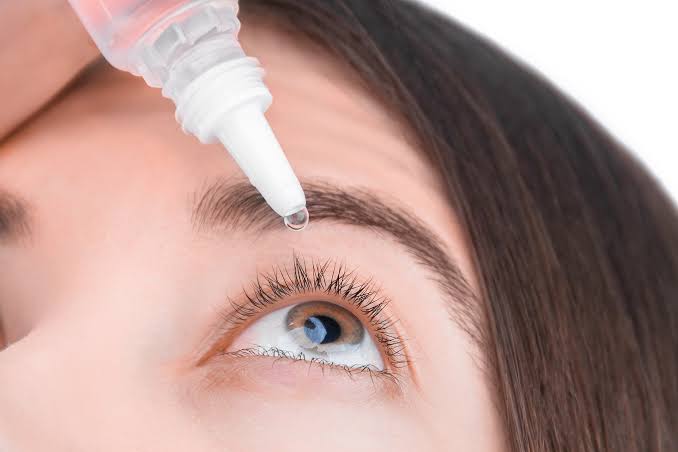

Reaching for over-the-counter eye drops is usually the first response to dry, irritated eyes, and for many people, it works well enough. But if you find yourself using drops repeatedly throughout the day with little lasting relief, this is often a sign that basic dry eye treatment needs to go a step further than what a pharmacy shelf can offer.
Here is why over-the-counter drops sometimes fall short, and when it is genuinely time to seek specialist care.
Why Over-the-Counter Drops Do Not Always Work
Most standard lubricating drops address the symptom of dryness temporarily without addressing the underlying reason your eyes are producing insufficient or poor quality tears in the first place. If an underlying cause, such as a tear gland dysfunction or an inflammatory condition, is driving your dry eye, drops alone will only ever offer short-term relief, no matter how frequently you use them.
Understanding Dry Eye Causes
There are a range of specific dry eye causes beyond simple environmental dryness. These include meibomian gland dysfunction, where the glands responsible for the oily layer of your tears do not function properly, autoimmune conditions that affect tear production, hormonal changes, certain medications that reduce tear production as a side effect, and prolonged screen use that reduces natural blink rate.
Since these causes vary so significantly, a generic over-the-counter drop is unlikely to address the specific mechanism behind your particular case.
Signs Your Dry Eye Needs Specialist Attention
Certain patterns suggest it is time to move beyond self-managed drops. These include needing to use drops more than a few times a day just to get through it, dryness that is accompanied by persistent redness, burning, or a gritty sensation, symptoms that have lasted more than a few weeks despite consistent drop use, or dryness severe enough to affect your ability to read, work on a screen, or drive comfortably.
Understanding Chronic Dry Eye
When symptoms persist over an extended period despite basic treatment, this often falls into the category of chronic dry eye, a condition that typically benefits from a more thorough diagnostic approach rather than continued reliance on standard drops. Chronic dry eye can significantly affect quality of life if left unaddressed, making proper diagnosis and targeted treatment genuinely worthwhile.
What a Specialist Dry Eye Evaluation Involves
A proper evaluation typically includes an assessment of your tear film quality and quantity, examination of the meibomian glands, and a review of your medical history and any medications that could be contributing to the issue. This more detailed approach helps identify the actual underlying cause rather than continuing to treat dryness as a single, uniform symptom.
Treatment Options Beyond Basic Drops
Depending on the underlying cause identified, treatment may include prescription anti-inflammatory drops, treatments specifically targeting meibomian gland function, punctal plugs to help retain natural tears longer, or addressing contributing factors like medication side effects or environmental triggers. A more targeted treatment plan, based on your specific diagnosis, tends to provide far more lasting relief than continued reliance on generic lubricating drops.
Getting Started
If eye drops have not been providing lasting relief for your dry eyes, Accuvision can provide a thorough evaluation to identify the underlying cause and appropriate treatment. Book a consultation today to find lasting relief.
Frequently Asked Questions
How do I know if my dry eyes need more than over-the-counter drops?
If you find yourself using drops frequently throughout the day without lasting relief, or if symptoms persist for several weeks, it is worth seeking a specialist evaluation.
What is meibomian gland dysfunction?
It is a condition where the glands responsible for the oily layer of your tears do not function properly, leading to tears that evaporate too quickly, a common underlying cause of chronic dry eye.
Can screen time really cause dry eyes?
Yes, prolonged screen use reduces your natural blink rate, which can contribute to or worsen dry eye symptoms over time.
Are prescription dry eye treatments different from over-the-counter drops?
Yes, prescription treatments often target the underlying cause, such as inflammation or gland dysfunction, rather than simply providing temporary lubrication.
Can certain medications cause dry eyes?
Yes, several common medications can reduce tear production as a side effect, which is why reviewing your medication history is often part of a proper dry eye evaluation.
Is chronic dry eye a permanent condition?
While some underlying causes are ongoing, proper diagnosis and targeted treatment can significantly improve symptoms and quality of life for most patients.
Eye Drops Not Helping Your Dry Eyes? When to Seek Specialist Care
