
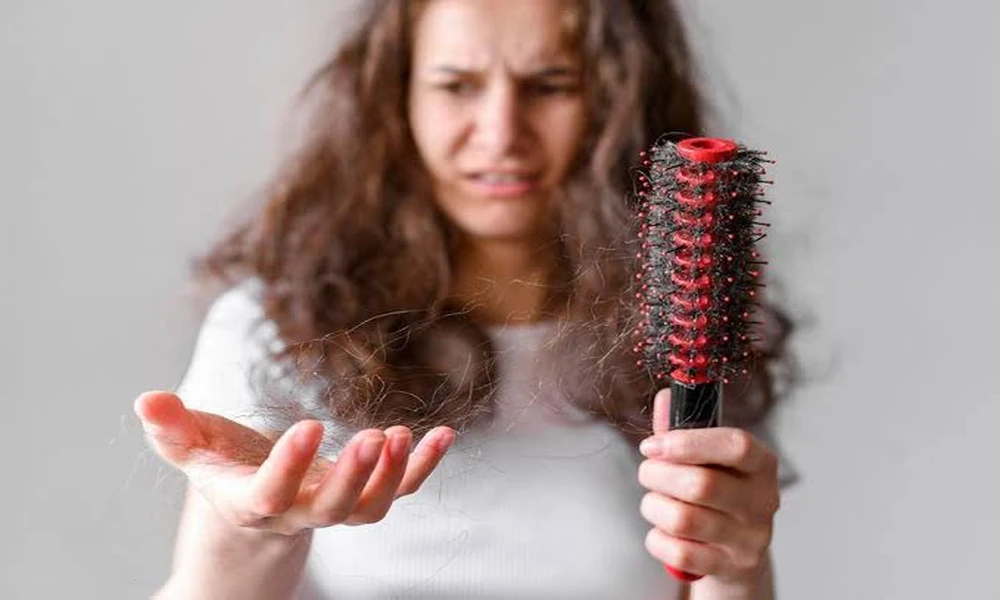

Navigating persistent shedding, thinning crown lines, or an itchy, flaking scalp can quickly become confusing when searching for solutions. Across Singapore, high humidity, indoor air-conditioning, stress, and genetic factors lead many to seek professional intervention. However, with an overwhelming number of options ranging from salon pampering to medical procedures, choosing the right provider requires a clear evaluation framework. Asking key questions about diagnostic tools, ingredients, and treatment philosophy ensures you select a program that targets your specific hair and scalp needs safely and effectively.
Choosing a Treatment Approach: Screening Checklist
Evaluating prospective providers against these foundational questions prevents wasted resources and ensures targeted care.
- Diagnostic Tools: Does the provider utilise close-range trichoscopy to analyse scalp oil, pore congestion, and follicle density?
- Treatment Scope: Is the service tailored to treat active hair shedding, or is it designed primarily for surface scalp hydration?
- Ingredient Transparency: Are all active serums, botanical extracts, and active chemicals clearly disclosed with safety data?
- Progress Tracking: How often are objective microscopic scans performed to track follicle recovery?
1. Does the Provider Perform a Close-Range Microscopic Analysis First?
Beginning any care program without examining the scalp under high magnification is like prescribing medicine without a diagnosis. A visual inspection with the naked eye cannot detect hardened sebum plugs, microscopic inflammation, or early follicle miniaturisation.
A reputable provider of a scalp treatment in Singapore uses advanced trichoscopy to assess your skin’s exact state before recommending a regimen. This optical scan identifies whether your primary concern stems from blocked pores, poor microcirculation, severe barrier dehydration, or progressive hormonal thinning.
2. Is the Protocol Customised or Based on a Generic Package?
Hair loss and scalp irritation vary greatly from person to person. A treatment that works well for excess oiliness caused by humidity may exacerbate conditions like dry seborrheic dermatitis or sensitivity.
Avoid centers that push generic, one-size-fits-all packages without adjusting for individual skin conditions. Your care provider should tailor active formulas, light therapy wavelengths, and exfoliation intensity specifically to match your initial assessment results and progress over time.
3. Does the Strategy Address the Root Cause of Hair Fall?
It is vital to distinguish between a service that cleanses surface debris and one that actively addresses hair shedding. While clarifying scalp washes improve local hygiene, they cannot stop internal hormonal hair loss or stress-induced shedding on their own.
When evaluating a hair fall treatment in Singapore, ask how the proposed technology acts on hair roots. Effective protocols combine deep scalp purification with targeted hair-bulb stimulation-such as low-level laser therapy, peptide infusions, or micro-needling-to support active growth phases.
4. What Are the Active Ingredients and Technology Used?
Understanding what goes onto your head is critical for long-term safety. Ask your specialist to detail the key active ingredients in their serums, as well as the mechanisms behind their equipment.
Look for science-backed ingredients like copper peptides, caffeine, niacinamide, and botanical DHT-blockers, alongside technologies like cold plasma or radiofrequency. Transparent providers will gladly explain how their formulas penetrate the skin barrier without causing irritation.
5. How Is Real Progress Measured and Documented?
Subjective opinions and lighting variations in mirror photos are unreliable indicators of true hair restoration. A credible care center establishes objective, verifiable baseline metrics during your first session.
Inquire about their progress tracking protocol. Reliable centers schedule follow-up microscopic scans every four to six weeks to measure tangible metrics: increased strand count per square centimeter, thicker shaft diameter, and reduced surface redness.
6. Are There Any Potential Side Effects or Downtime?
Different therapies carry distinct physical responses. While basic botanical scalps washes require zero recovery time, more intensive procedures involving micro-needling or clinical-grade active agents may cause temporary redness, mild tightness, or initial shedding.
Clarifying expected post-treatment reactions beforehand allows you to plan your social and work schedule accordingly. Additionally, knowing how to care for your scalp in the 48 hours following a session prevents accidental irritation.
7. What Home Care and Maintenance Are Required Between Sessions?
Professional in-clinic sessions provide concentrated care, but daily home maintenance preserves those improvements between visits. Relying solely on weekly or bi-weekly appointments while using harsh, generic supermarket shampoos at home weakens your overall progress.
Ask your specialist to recommend a complementary home care routine. Using balanced, pH-neutral cleansers, targeted tonics, and proper drying techniques at home ensures your scalp remains in an optimal state for continuous hair growth.
Selecting the Right Partner for Your Hair Journey
Choosing the right care path requires balancing diagnostic precision, custom formulations, and transparent progress tracking. By systematically considering these seven questions, you can partner with a provider that offers safe, evidence-based care tailored to your goals.
Contact Bio Organicare Scalp to schedule a comprehensive optical scalp examination and discover how our tailored care programs can support your hair health.
