
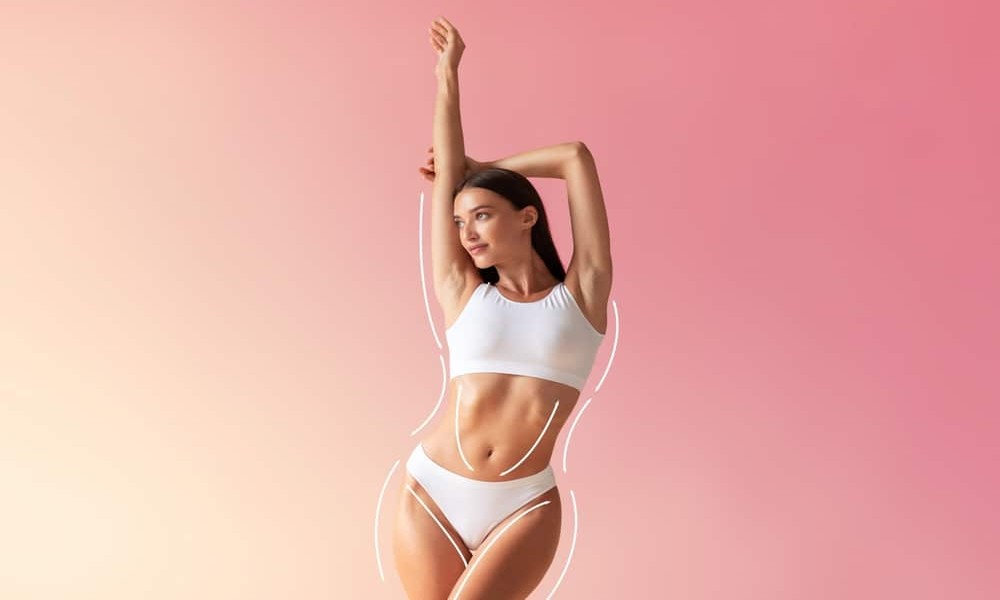

For a long time, changing your body shape was seen as something that required extremes-strict diets, intense workouts, or surgical procedures. But that narrative has been slowly shifting. Today, more people are looking for balanced, less disruptive ways to refine their appearance without putting their bodies through stress or long recovery periods.
This shift has given rise to non-invasive body sculpting, a category that focuses less on dramatic transformation and more on subtle, steady improvement. It’s not about becoming someone else, it’s about working with what you already have and enhancing it in a controlled, manageable way.
Key Takeaways
- Body sculpting is moving toward non-invasive, low-risk approaches
- Results are typically gradual and require consistency
- Lifestyle habits still play a central role in maintaining outcomes
- Technology is being used to support natural body processes
- A realistic mindset leads to better long-term satisfaction
Why the Shift Away from Invasive Methods?
Surgical procedures once dominated the body contouring space, but they come with downtime, potential risks, and high costs. Not everyone is willing or able to go down that path. Non-invasive alternatives, on the other hand, offer a more accessible option for people who want visible changes without major interruptions to their routine.
These methods often target stubborn fat areas or aim to improve skin tone using external devices. The appeal lies in their simplicity: sessions are usually quick, discomfort is minimal, and daily life doesn’t need to pause.
As discussions around emerging skin-support tools continue to evolve, Celluma Red Light Therapy is mentioned alongside other non-invasive options, especially when exploring how different techniques may gently influence skin quality and underlying tissue response without relying on aggressive procedures.
Understanding What “Non-Invasive” Really Means
It’s easy to assume that non-invasive equals effortless but that’s not entirely true. These treatments work gradually, often requiring multiple sessions and a level of patience that many people underestimate.
Rather than removing fat instantly, some methods aim to disrupt fat cells so the body can process them naturally over time. Others focus on tightening the skin or improving circulation in targeted areas.
The key difference is subtlety. Instead of dramatic before-and-after changes, the results tend to be progressive. This makes the process feel more natural, but it also means expectations need to be realistic.
The Role of Lifestyle Still Matters
One common misconception is that body sculpting treatments can replace healthy habits. In reality, they work best when combined with a stable lifestyle.
Diet, movement, hydration, and sleep all influence how your body responds. If these areas are neglected, even the most advanced treatments may not deliver noticeable results.
Think of non-invasive sculpting as a support system rather than a standalone solution. It can help refine certain areas, but it doesn’t override the basics of how your body functions.
Technology and the Changing Landscape
As technology continues to evolve, so do the methods used in body sculpting. From cooling techniques to ultrasound-based devices, the focus is increasingly on working with the body rather than against it.
Many of these innovations are designed to trigger natural processes-whether that’s fat breakdown, improved circulation, or skin tightening. The idea is not to force change, but to encourage it.
This approach aligns with a broader shift in wellness, where people are prioritizing sustainability over speed.
A Closer Look at Light-Based Methods
Among the different technologies being explored, light-based treatments have gradually entered the conversation. They are often discussed in terms of how specific wavelengths may interact with the skin and underlying tissues.
In that space, Celluma Red Light Therapy is sometimes referenced as an example of how light exposure is being studied for its potential role in supporting skin texture and elasticity. While it’s not positioned as a primary fat-reduction method, it reflects the growing interest in combining multiple techniques for a more comprehensive approach.
Rethinking Expectations
One of the most important aspects of non-invasive body sculpting is mindset. These treatments are not designed for instant or dramatic transformation. Instead, they offer incremental improvements that build over time.
This can actually be an advantage. Gradual changes tend to look more natural and are often easier to maintain. They also encourage people to stay engaged with their overall health, rather than relying on quick fixes.
The Future of Body Sculpting
As more people seek flexible and less invasive options, the demand for these treatments is likely to grow. But with that growth comes the need for better understanding.
Not every method works the same for everyone, and results can vary depending on individual factors. The most effective approach is usually a combination of informed choices, realistic goals, and consistent habits.
In the end, redefining your shape isn’t about chasing perfection-it’s about making thoughtful decisions that align with your lifestyle. Non-invasive body sculpting simply adds another layer to that journey, offering tools that support change without overwhelming the body.
